


Hair oiling has been part of hair-care routines for generations. From nourishing dry hair to giving the scalp a relaxing massage, using hair oil can be a simple way to add moisture and care to your routine. But one common question remains: how often should you oil your hair?
There is no single answer that works for everyone. Your hair type, scalp condition, lifestyle, washing routine, and the type of oil you use can all affect how frequently you should oil your hair.
For most people, oiling the hair one to two times a week can be a practical starting point. However, people with very dry hair may prefer a slightly more frequent routine, while those with an oily scalp may need less oiling.
In this guide, we will explain how often to oil your hair, how to apply hair oil properly, how long to leave it on, and how to build a simple hair oiling routine.
How Often Should You Oil Your Hair?
For many people, once or twice a week is a reasonable hair-oiling routine.
If your hair feels dry, rough, or brittle, you may find regular oiling helpful as part of your overall hair-care routine. On the other hand, if your scalp becomes oily quickly, applying large amounts of oil too frequently may leave your hair feeling heavy or greasy.
Instead of following a strict schedule, pay attention to how your scalp and hair respond.
A simple starting routine can be:
- Dry or rough hair: 1–2 times per week
- Normal hair: About once a week
- Oily scalp: Once a week or less, depending on how your scalp feels
- Damaged-looking hair: Regular oiling combined with gentle washing and conditioning
The goal is not to use as much oil as possible. The goal is to create a consistent routine that works comfortably for your hair.
Why Is Hair Oiling Part of a Hair-Care Routine?
Hair oils can help provide conditioning and nourishment, particularly for hair that feels dry or rough. Massaging oil into the scalp can also make hair care feel relaxing and can help distribute the product evenly.
Depending on the formula, hair oils may contain botanical extracts and nourishing ingredients designed to support the appearance and feel of healthier hair.
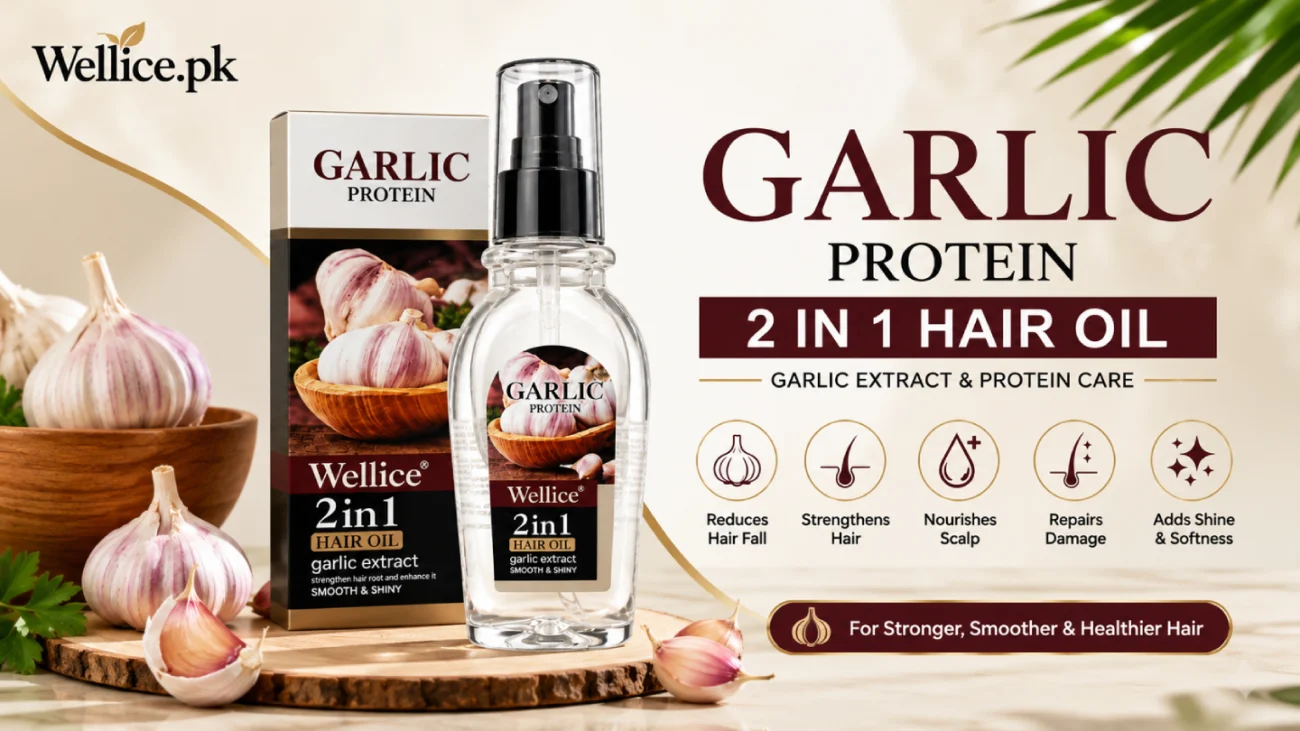
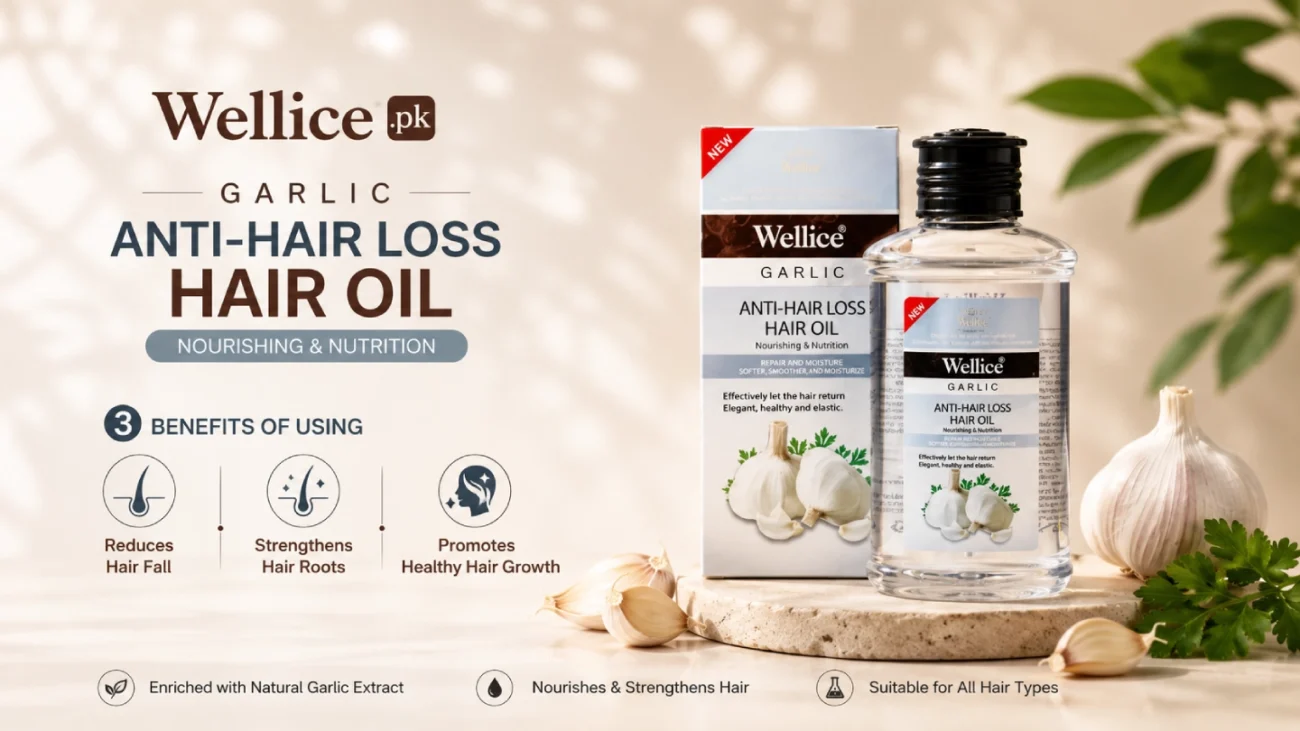
For example, Wellice offers several hair oils with different ingredient focuses, including Amla, Garlic, Ginseng, Onion, and Almond options. The Wellice Hair Oils collection can be explored when choosing a product that fits your individual routine.
How to Oil Your Hair Properly
Using too much oil is one of the most common mistakes people make. You usually do not need to completely soak your hair.
Follow these simple steps:
1. Start With a Small Amount
Pour a small amount of hair oil into your palm. You can always add more if necessary.
Starting with less makes it easier to control how much product reaches your scalp and hair.
2. Massage Gently
Use your fingertips to massage the oil gently into the scalp.
Avoid scratching the scalp with your fingernails. Gentle circular movements can make the application more comfortable.
3. Apply to the Hair Lengths
If your hair lengths are dry, apply a small amount of oil through the mid-lengths and ends.
You do not need to apply excessive oil to every strand.
4. Leave the Oil on for an Appropriate Time
For many hair-care routines, leaving oil on for around 1–2 hours before washing can be convenient.
Some people prefer overnight oiling, but leaving oil on overnight is not essential for everyone. If your scalp becomes uncomfortable, itchy, or excessively greasy, shorten the application time.
5. Wash Thoroughly
After oiling, wash your hair with a suitable shampoo.
Use enough shampoo to remove excess oil without repeatedly washing the hair more than necessary.
What Is the Best Time to Oil Your Hair?
There is no universal “perfect” time to oil your hair.
Many people prefer oiling before washing their hair because it fits easily into their routine.
For example:
Oil → Wait 1–2 hours → Shampoo → Condition
This can be a simple weekly routine.
If you prefer oiling at night, make sure your scalp and hair are comfortable with the routine. You can also protect your pillowcase with a towel or suitable covering if needed.
The best time is ultimately the time you can follow consistently.
Should You Oil Your Scalp or Your Hair?
It depends on your hair-care needs and the product instructions.
If you are using a hair oil designed for scalp application, gently massage a suitable amount into the scalp. If your main concern is dry hair lengths, you can focus more on the mid-lengths and ends.
Avoid using excessive amounts simply because you want better results. More oil does not automatically mean better hair care.
Always follow the instructions provided with your particular hair oil.
How Often Should You Oil Dry Hair?
Dry hair may benefit from a consistent conditioning routine.
If your hair feels dry or rough, try oiling once or twice a week and see how your hair responds.
You can also combine oiling with other basic hair-care habits:
- Use a gentle shampoo
- Condition the lengths after washing
- Avoid excessive heat styling
- Avoid aggressively brushing wet hair
- Trim visibly damaged ends when necessary
- Protect your hair from excessive environmental exposure
For people looking for a nourishing option for dry-looking hair, Wellice Amla Hair Oil is positioned on the Wellice website as a deep repair and moisture treatment. Its product instructions recommend applying a small amount, massaging it into the scalp and roots, and leaving it for 1–2 hours or overnight before washing.
How Often Should You Oil an Oily Scalp?
If your scalp becomes oily quickly, you may not need frequent heavy oiling.
Start with approximately once a week and adjust according to how your scalp feels.
Avoid applying large amounts of oil if your scalp already feels greasy. A good hair-care routine should leave your hair feeling clean and comfortable after washing.
If you experience persistent scalp irritation, excessive flaking, or significant hair loss, consider discussing the issue with a qualified healthcare professional rather than relying only on hair oil.
Can You Leave Hair Oil Overnight?
Yes, some people prefer overnight oiling, but it is not necessary for everyone.
Leaving oil overnight may be convenient if it fits your schedule. However, a shorter application period can also work well as part of a regular routine.
If overnight oiling makes your scalp feel uncomfortable or leaves your hair difficult to wash, try applying the oil for 1–2 hours before shampooing instead.
The best routine is one that your scalp and hair tolerate comfortably.
Common Hair Oiling Mistakes to Avoid
A good hair-oiling routine is not about using a large amount of oil. Avoid these common mistakes:
Using Too Much Oil
Heavy application can make washing difficult and may leave your hair feeling greasy.
Scratching the Scalp
Use your fingertips rather than your nails when massaging.
Rubbing Hair Aggressively
Hair can become more vulnerable to breakage when handled roughly. Apply and distribute oil gently.
Leaving Oil on for Too Long
Longer application is not automatically better. If your scalp becomes uncomfortable, wash the oil out.
Oiling Too Frequently
Daily heavy oiling is not necessary for everyone. Start with one or two sessions per week and adjust based on your hair and scalp.
Ignoring Your Hair Type
A routine that works for someone with dry hair may not feel suitable for someone with an oily scalp.

Which Wellice Hair Oil Should You Use?
The right hair oil depends on what you want from your hair-care routine.
Wellice currently has several hair oils in its hair-oil collection, including Amla, Garlic, Ginseng, Onion, and Almond options.
For example:
Wellice Amla Hair Oil — positioned around deep repair and moisture.
Wellice Garlic Anti-Hair Loss Hair Oil — formulated with garlic extract and marketed for scalp nourishment and hair-fall concerns.
Wellice Ginseng Hair Oil — contains ginseng essence and is positioned for nourishing and strengthening hair.
Wellice Onion Hair Oil — another option within the Wellice hair-oil range for people interested in onion-based hair care.
Wellice Almond Hair Oil — positioned around nourishment, moisture, softness, and shine, particularly for dry and brittle-looking hair.
Rather than choosing an oil simply because it is popular, consider your hair’s condition, your scalp type, and the kind of routine you can maintain consistently.
A Simple Weekly Hair Oiling Routine
If you are new to hair oiling, keep your routine simple.
Once a Week
Step 1: Apply a small amount of suitable hair oil.
Step 2: Gently massage your scalp.
Step 3: Apply a little oil to dry hair lengths if needed.
Step 4: Leave it for around 1–2 hours.
Step 5: Wash with shampoo.
Step 6: Condition the hair lengths.
After a few weeks, evaluate how your hair feels. If your hair remains very dry, you may consider increasing the frequency. If your scalp becomes greasy quickly, reduce the amount or frequency.
Conclusion
A good hair-oiling routine does not have to be complicated. For many people, oiling once or twice a week is a simple place to start. The important thing is to consider your hair type, scalp condition, the oil you are using, and how your hair responds.
Use a moderate amount, massage gently, leave the oil on for a suitable period, and wash it thoroughly afterward. Most importantly, focus on consistency rather than using excessive amounts.
If you are looking for a hair oil to add to your routine, explore the Wellice Hair Oils range and choose an option based on your specific hair-care needs.
Frequently Asked Questions
How often should you oil your hair?
For many people, once or twice a week is a practical starting point. Adjust the frequency according to your hair type and scalp condition.
Is it good to oil your hair every day?
Daily oiling is not necessary for everyone. A regular once- or twice-weekly routine may be easier to maintain without excessive product buildup.
How long should I leave hair oil on?
Around 1–2 hours can be a convenient starting point before washing. Some products may provide different instructions, so always follow the product label.
Should I oil my hair before shampoo?
Yes. Applying hair oil before shampooing is a common and simple way to include oiling in your hair-care routine.
Can I oil my hair if I have an oily scalp?
You can, but use a smaller amount and avoid excessive frequency. Start with once a week and adjust based on how your scalp responds.
Does more hair oil mean better results?
Not necessarily. Using too much oil can make your hair greasy and difficult to wash. A moderate amount applied consistently is generally more practical.